
Quick answer
In design and build, one company designs and builds, giving a single point of responsibility, cost awareness from day one and a faster start. A traditional contract uses a separate architect and builder, with more control but more coordination.
There are two common ways to build. In a traditional contract you hire an architect to design, then separately hire a contractor to build from the drawings. In design and build, one company is responsible for both. Neither is always better, but for most homes and small commercial buildings in Sri Lanka, design and build is simpler.
Design and build
- One point of responsibility: if something does not fit or does not work, you do not have to referee between a designer and a builder.
- Cost awareness from day one: our architects design with our quantity surveyors, so the design is shaped to your budget rather than priced afterwards.
- Faster start: drawings, approvals and construction planning overlap.
- Buildability: the people who design it know how it will actually be built.
Traditional contract
- You choose the architect and the builder independently, which gives you more control over each.
- Competitive tendering on a complete design can be useful for large or complex projects.
- You manage more yourself, or you pay a project manager to do it.
When design and build makes sense
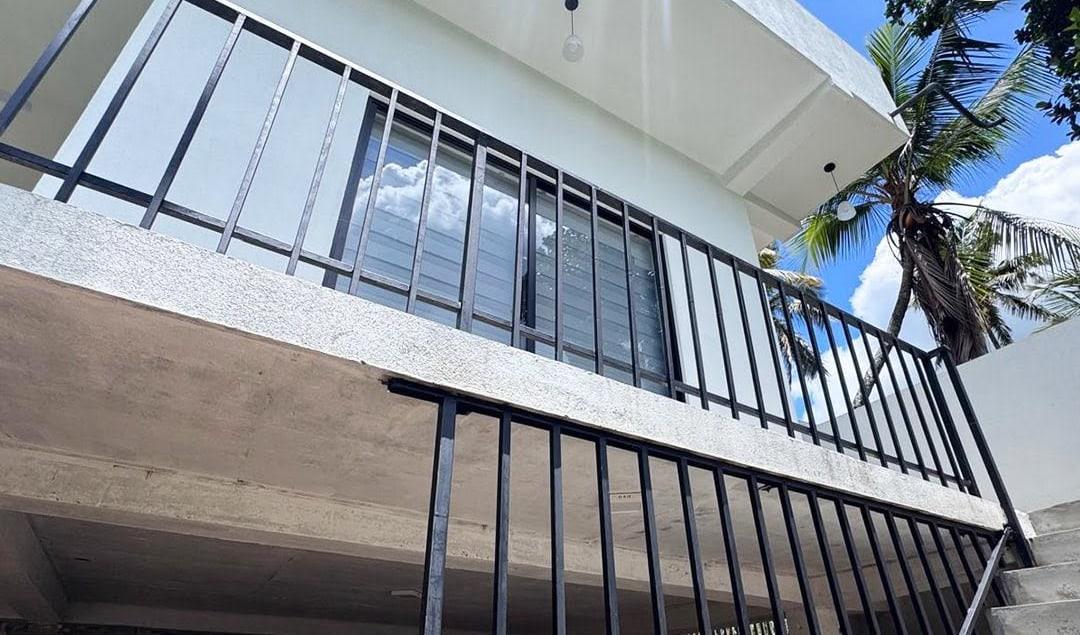
It works well for houses, apartments, shops, showrooms and small industrial buildings where the brief is clear and the budget matters. Our Hanwella house on a sloping riverside plot is a good example: the architects designed the house around the slope, formed a basement with rubble retaining walls, and the same team built it, all within the client’s budget.
You can still be in control
Whichever route you choose, insist on a written scope and specification, a bill of quantities and a payment schedule tied to progress.
Talk to an engineer
Free advice and a written quotation for your project.
Request a quoteWhatsApp usRelated