Cydro Engineering
Insights

From the Ground Up

Construction Blog — Industry News & Insights
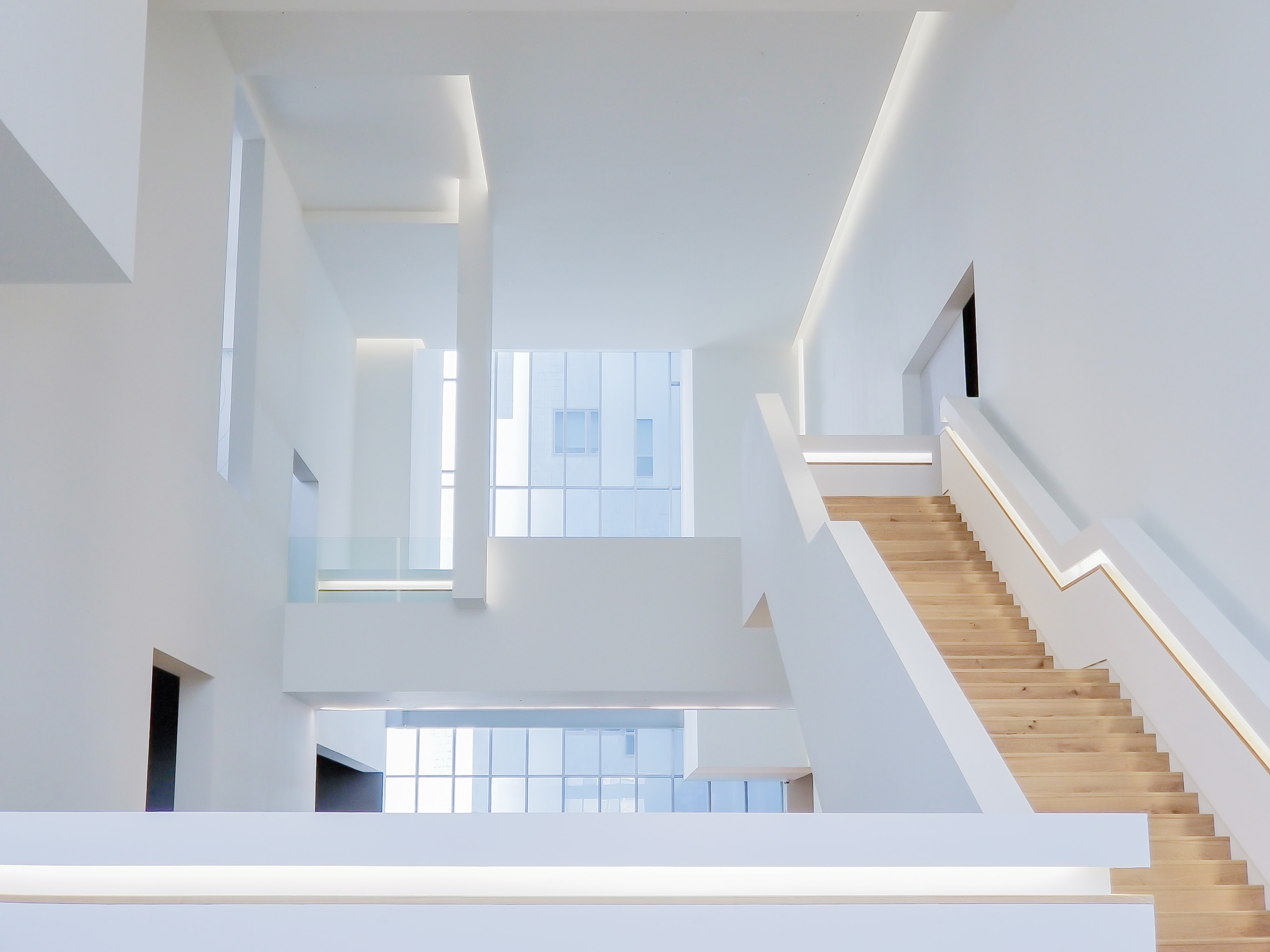
The Future of Smart Buildings: How Cydro Engineering Integrates Technology and Design

The Future of Smart Buildings: How Cydro Engineering Integrates Technology and Design

In today's fast-paced, technology-driven world, the concept of smart buildings is gaining momentum as an innovative approach to creating intelligent, efficient, and comfortable spaces. At Cydro Engineering, we are at the forefront of this exciting industry trend, integrating cutting-edge technology with innovative design to deliver state-of-the-art buildings that cater to the evolving needs of our clients and their occupants. In this blog post, we will explore the features of smart buildings, the benefits they offer, and how Cydro Engineering is leading the way in this field.

A smart building is a structure that employs advanced technology and systems to monitor, control, and automate various building functions. These can include energy management, lighting, heating and cooling, security, and even occupant comfort. By leveraging technology and data, smart buildings can optimize their performance, reduce energy consumption, and enhance the overall experience for occupants.

One of the key components of a smart building is its ability to collect and analyze data from various sensors and systems. This information is then used to make real-time adjustments to the building's operations, ensuring optimal efficiency and performance. For example, a smart building may use sensors to detect the number of occupants in a room and automatically adjust the lighting and temperature settings to conserve energy and maintain comfort.

At Cydro Engineering, we integrate a range of smart technologies into our designs to create truly intelligent buildings. These can include:

Energy management systems: By monitoring and controlling energy consumption, these systems help to reduce energy waste and lower utility costs. This can be achieved through techniques such as demand-response management, peak shaving, and predictive maintenance.

Intelligent lighting systems: These systems use sensors to detect occupancy and natural light levels, adjusting the artificial lighting accordingly to save energy and create a comfortable environment.

Heating, ventilation, and air conditioning (HVAC) systems: Smart HVAC systems can monitor and respond to changes in temperature, humidity, and air quality, ensuring optimal indoor conditions while minimizing energy use.

Building automation systems (BAS): A BAS integrates various building systems, such as HVAC, lighting, and security, into a single, centralized platform. This allows for easier monitoring, control, and automation of building operations, resulting in improved efficiency and performance.

Internet of Things (IoT) devices: IoT devices, such as sensors, cameras, and smart appliances, enable real-time data collection and communication between various building systems, providing valuable insights and enabling more informed decision-making.

The benefits of smart buildings extend beyond energy efficiency and cost savings. They also contribute to improved occupant comfort, safety, and well-being. By creating adaptive, responsive environments that cater to individual needs, smart buildings can enhance productivity, boost morale, and even promote better health.

Furthermore, smart buildings are a crucial component of the emerging concept of smart cities. As urban populations continue to grow, smart buildings will play a key role in addressing challenges such as congestion, pollution, and resource scarcity, ultimately helping to create more sustainable, resilient, and livable communities.

At Cydro Engineering, we are committed to staying at the cutting edge of smart building technology and design. Our team of experts works closely with clients to identify their unique needs and develop tailored solutions that deliver exceptional results. As we continue to push the boundaries of what is possible, we invite you to join us in shaping the future of the built environment.


Sustainable Construction Practices: Building a Greener Future with Cydro Engineering

Sustainable Construction Practices: Building a Greener Future with Cydro Engineering

As the global population continues to grow, and the demand for construction increases, the importance of sustainable construction practices becomes more critical than ever. At Cydro Engineering, we are committed to leading the way in creating eco-friendly buildings that minimize environmental impact while delivering high-quality, energy-efficient spaces for our clients.

Sustainable construction involves the implementation of environmentally responsible and resource-efficient processes throughout a building's lifecycle. This includes everything from the design and construction phase to the operation, maintenance, and eventual demolition or refurbishment. By employing sustainable construction practices, we can reduce the negative impact of construction on the environment, improve the health and well-being of building occupants, and contribute to the long-term resilience of our communities.

At Cydro Engineering, we believe that sustainability starts with the design process. Our team of architects, engineers, and designers collaborate to create innovative designs that incorporate passive solar principles, natural ventilation, and energy-efficient building envelopes. By optimizing the orientation, layout, and materials of our buildings, we can minimize the need for artificial heating, cooling, and lighting, resulting in reduced energy consumption and lower operating costs for our clients.

We also prioritize the use of sustainable materials in our projects, selecting materials that are locally sourced, recycled, or have a low environmental impact. By choosing these eco-friendly options, we can reduce the embodied energy of our buildings, minimize waste, and support local economies. In addition, we focus on waste management during the construction phase, implementing strategies such as recycling, reuse, and prefabrication to minimize the amount of waste generated on-site.

Another key aspect of sustainable construction is the incorporation of green technologies and systems into our buildings. These can include renewable energy sources such as solar panels, wind turbines, and geothermal systems, as well as energy-efficient lighting, heating, and cooling systems. By integrating these technologies into our designs, we can further reduce the environmental impact of our buildings and provide our clients with long-term cost savings.

Water conservation is also an essential part of our sustainable construction practices. We strive to incorporate water-saving features such as rainwater harvesting systems, greywater recycling, and low-flow fixtures into our designs. These measures not only help to conserve precious water resources but also reduce the burden on municipal water and wastewater treatment facilities.

At Cydro Engineering, we believe that sustainable construction goes beyond the physical structure of a building. We also consider the well-being of the people who will live and work within these spaces. By incorporating features such as abundant natural light, improved indoor air quality, and access to green spaces, we can create healthier, more comfortable environments for our clients and their occupants.

Finally, we recognize that sustainable construction is an ongoing process that requires continuous learning and adaptation. As new technologies, materials, and best practices emerge, we remain committed to staying at the forefront of the industry, ensuring that our clients benefit from the latest advancements in green building design.

In conclusion, sustainable construction practices are not only beneficial for the environment but also offer significant advantages to our clients and the communities in which we build. By focusing on energy efficiency, the use of sustainable materials, and the integration of green technologies, Cydro Engineering is helping to build a greener, more resilient future for generations to come. Join us in our mission to create a sustainable built environment that benefits both people and the planet.